
Which Tree Nut Allergies Are Most Common?
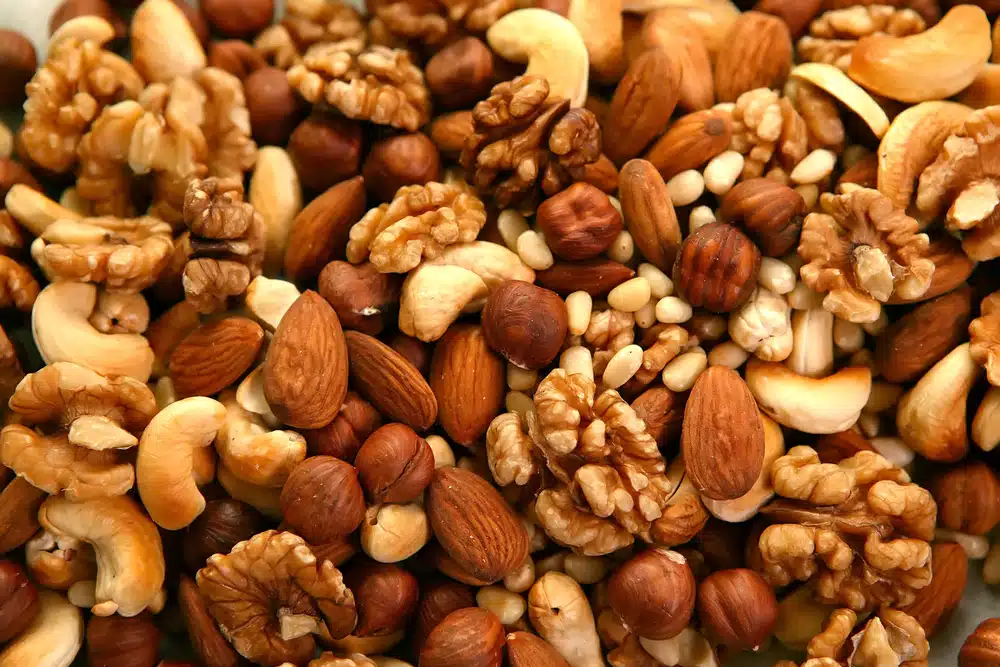
Tree nut allergy is one of nine major food allergens that U.S. law requires manufacturers to list on food labels. And if you’ve ever read these labels, you may have noticed they name the specific type of tree nut – almonds, cashews, walnuts and so on. Each tree nut contains its own set of proteins, and it’s not always clear which one is triggering a person’s symptoms. So what are the most common tree nut allergies, and how can Safe2Bite | Texas Food Allergy Center help North Texas patients identify their allergy?
What Are the Most Common Tree Nut Allergies?
In the U.S., the tree nuts most likely to cause allergies are walnuts, cashews, pecans, pistachios, almonds and hazelnuts. However, there’s no definitive ranking of these allergens by prevalence, as data varies by age, location, diet and study method. Plus, some people will react to a single type of tree nut, while others experience symptoms from several types.
Walnut and Pecan Allergies
Walnuts and pecans both belong to the Juglandaceae family. Due to a similar protein structure between the two, many people will react to both types of nuts. Studies show that between 64% and 75% of people with a walnut allergy are also allergic to pecans. Nearly all people allergic to pecans, 97% to 100%, are also allergic to walnuts.
Cashew and Pistachio Allergies
Cashews and pistachios also share a cross-reactive relationship as they are members of the Anacardiaceae family. A cashew allergy is one of the most common food allergies affecting children, and can cause severe reactions. When you notice possible symptoms from this or any other tree nut, your child should see a pediatric food allergist for testing and treatment.
Hazelnut Allergy
Hazelnut allergies are often linked to birch pollen because the two contain similar proteins. For people with a birch pollen allergy, eating hazelnuts can cause mild itching or swelling in the mouth or throat, known as oral allergy syndrome. However, some people have a primary hazelnut allergy, with the potential for severe reactions and even anaphylaxis.
Almond Allergy
Did you know that almonds are the most widely consumed tree nut? They’re featured in a range of products including granola, marzipan, protein bars, almond milk and more. Due to their popularity as an ingredient, parents need to stringently check food labels to prevent accidental exposure. Some patients will test positive for almond allergies without actually experiencing a reaction. Allergists may use multiple testing approaches to confirm a true allergy.
Other Reported Tree Nut Allergies
While not as common, Brazil nut, macadamia nut and pine nut allergies can still affect some children and adults. While these allergies are less widely reported than other tree nuts, they can still cause serious reactions.
How an Allergist Identifies the Tree Nuts Causing Reactions
Finding the best treatment for a hazelnut allergy, walnut allergy or any other tree nut allergy starts with testing. Skin prick testing and blood testing evaluate how a patient’s immune system reacts to different types of tree nuts. At Safe2Bite, Dr. Nana Mireku looks at these results along with symptom details to confirm a diagnosis. When results are inconclusive, an oral food challenge can confirm whether a specific tree nut causes a reaction.
Speak With a Tree Nut Allergy Specialist in North Texas
If you or your child has experienced a reaction after eating tree nuts, or prior testing for food allergies has left you uncertain about what the results mean, Safe2Bite is here to guide you on your next steps. We provide food allergy evaluation, testing, diagnosis, and treatment in DFW and North Texas.
Our board-certified allergist, Dr. Nana Mireku, can help you better understand your allergies and explore treatment options. Visit one of our food allergy treatment centers in Frisco, McKinney or Southlake. Call (469) 916-5504 or request an appointment.
