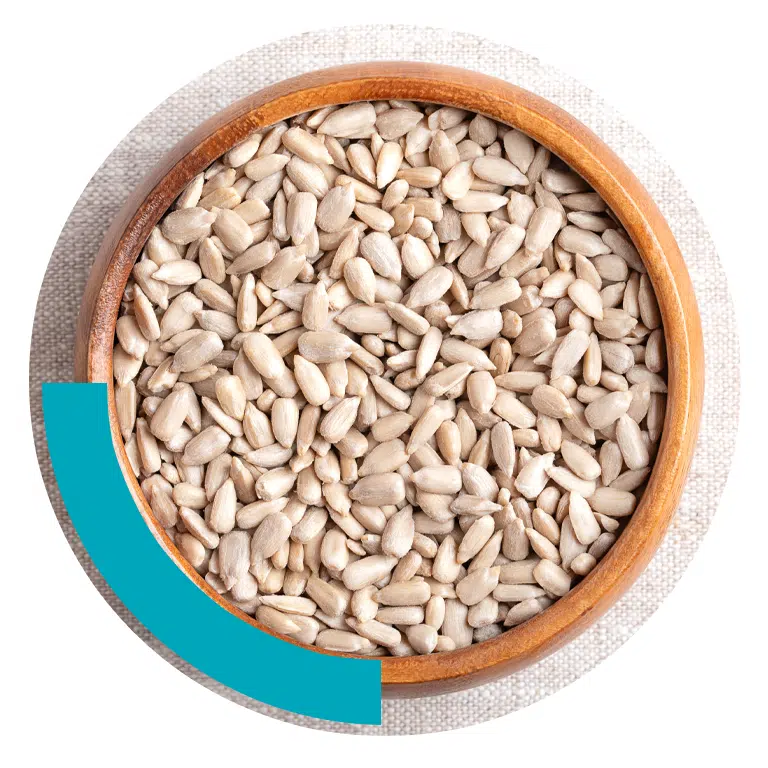
Sunflower Seed Allergy
Testing & Treatment
in DFW and North Texas

teal icon smile.
Sunflower seed allergy testing and treatment.

Where treatment leads 2 Freedom

Transforming food allergy care, one bite at a time

Sunflower seeds are a popular snack and a common food ingredient, but for some people they can trigger a serious allergic reaction. At Safe2Bite | Texas Food Allergy Center, we provide seed allergy testing and treatment for adults and children in North Texas. Board-certified allergist Dr. Mireku supports patients at every stage, whether you’ve experienced an unexpected reaction for the first time or are managing a long-term sunflower seed allergy. As a family-centered practice, we are committed to providing compassionate care and treatment for our patients.

For help managing a sunflower seed allergy, you can visit one of our allergy treatment centers in McKinney, Prosper, Southlake and Frisco. We support families in DFW and the wider North Texas area.

What Causes Sunflower Seed Allergies?

The role of the immune system is to protect the body from harmful substances. However, for a person with a sunflower seed allergy, the immune system could mistakenly identify proteins in sunflower seeds as a threat. When this happens the body produces IgE antibodies, which trigger the release of chemicals (such as histamine) that cause allergic symptoms.

Sunflower seed allergies can affect a person at any time, even if they’ve been eating the food for many years. While it’s difficult to determine exactly why someone developed their allergy, genetics, family history, and the presence of other allergic conditions such as eczema or asthma are common risk factors.

At Safe2Bite we help patients understand their allergy, avoid exposure to allergens, and find long-term treatments to prevent severe reactions. With over 15 years of experience as a food allergy specialist, Dr. Mireku has supported families across North Texas in finding relief from their symptoms.

Causes of sunflower seed allergies.
Row concave Shape Decorative svg added to bottom

How to Spot the Signs of a
Sunflower Seed Allergy

Shortly after eating sunflower seeds you may experience symptoms that affect the skin, digestive system or respiratory system. And as with the most common food allergies, these reactions can vary from mild to severe, and could even be potentially life-threatening. Here are some of the most likely symptoms you can expect after exposure to an allergen.

Raised hives, itching or a skin rash.

An itchy or tingling feeling in the mouth.

Swelling of the lips, tongue, face or throat.

Nausea, stomach cramps, vomiting or diarrhea.

Persistent coughing, wheezing or shortness of breath.

Feeling dizzy, faint or lightheaded.

Anaphylaxis requiring emergency medical care.

More Seed Allergy Information

Common Foods That Contain Sunflower Seeds

Sunflower seeds are frequently eaten on their own as a snack, and can also be found in a wide variety of foods. While some of these foods are easy to identify, others will be less obvious. If you or your child are dealing with an allergy to sunflower seeds, it will be vital to identify where the risk of exposure is highest.

In fact, sunflower seeds show up in more foods than people expect. Breads, bagels, rolls and multigrain items often use them as a topping, while granola, breakfast cereals, trail mix and snack bars may contain them as an ingredient. Sunflower seed butter is also an increasingly popular alternative to peanut butter, and many salads include sunflower seeds as well.

Some less obvious sources include chocolate, muffins, cookies and crackers. Also, check for the presence of sunflower oil in foods, as it’s a common ingredient in both packaged snacks and dressings.

Testing for a Sunflower Seed Allergy

The symptoms you experience after eating certain foods won’t be enough to rule out the existence of other food allergies, sensitivities or conditions. To identify sunflower seeds as the trigger food will require food allergy testing. At Safe2Bite we use several testing procedures, and evaluate results in tandem with your medical history and symptoms.

Reaching an accurate diagnosis helps patients understand exactly what they are reacting to. They can then take the right precautions and avoid unnecessary dietary restrictions. Here are the main sunflower seed allergy testing options we use.

Skin Prick Testing

Skin prick testing is the most common approach used to help diagnose a sunflower seed allergy. Under medical supervision, small amounts of the allergen are placed on the skin to see if an allergic reaction occurs.

Blood Testing

For patients unable to complete skin prick testing, we may recommend blood testing. This simple allergy test measures the level of IgE antibodies linked with sunflower seed allergy.

Oral Food Challenge

For this test, patients eat gradually increasing amounts of sunflower seeds at our DFW allergy treatment centers. This may be used when other test results are inconsistent or conflicting.

Row concave Shape Decorative svg added to bottom

How We Treat Sunflower Seed Allergies

Avoiding sunflower seeds is only one part of managing this allergy. Safe2Bite provides some of the leading food allergy treatment programs in DFW, helping patients build long-term tolerance to allergens. While every person is different, we can help you find a sunflower seed treatment plan that brings relief from symptoms.

Oral Immunotherapy

Oral immunotherapy is a treatment aimed at reducing the immune system’s sensitivity to sunflower seeds. Over several months, patients consume increasing amounts of sunflower seeds to build tolerance. As this tolerance grows, there will be less risk of a severe reaction occurring after accidental exposure.

Food Allergy Drops

Also called sublingual immunotherapy (SLIT), food allergy drops are placed under the tongue each day. For patients who commit to the treatment, it can gradually increase tolerance to sunflower seed proteins and reduce sensitivity in cases of accidental exposure.

How Families Can Manage a Sunflower Seed Allergy

Managing a sunflower seed allergy is about developing positive daily habits that keep you safe from severe reactions. After Dr. Mireku has discussed your food allergy treatment options, you should feel more confident without needing to dramatically change your daily activities. Whether you’re following an immunotherapy program or simply avoiding contact with sunflower seeds, your routine at home, school or work is of great importance.

Accidental exposure to sunflower seeds is one of the most likely causes of having a reaction. To avoid this, before consuming any of it and before adding it to a dish, start the habit of reading every food ingredient label. You should also ask at restaurants or parties to be sure that sunflower seeds have not been included in a recipe.

Unfortunately, sunflower seed allergies can trigger severe reactions, so you will also need to establish an emergency plan. After a diagnosis at Safe2Bite, you may be prescribed epinephrine and given advice on how to use an auto-injector.

Sunflower seed allergy management.
Row concave Shape Decorative svg added to top

Why Families Trust Our Sunflower Seed Allergy Specialists

Families dealing with sunflower seed allergies need more than a diagnosis. At Safe2Bite, we give you clear answers and ongoing guidance to help manage an allergy. From the first appointment and through follow-up visits, you can expect focused and compassionate food allergy care.

Caring for Families

Parents and children across North Texas receive the support they need to prevent allergic reactions and live happy and healthy lives.

Long-Term Support

We’re with you at every stage, from your first visit and initial diagnosis to treatment planning and follow-up monitoring.

Food Allergy Specialists

As one of a limited number of food allergy specialists in the area, you can expect the highest standard of food allergy care from our team.

Row concave Shape Decorative svg added to bottom

Top Questions About Managing a
Sunflower Seed Allergy

Contact DFW’s Trusted Sunflower Seed
Treatment Center

Have you experienced allergy symptoms after eating foods containing sunflower seeds? When you suspect that you or your child have a food allergy, Safe2Bite is here to help. We provide expert sunflower seed allergy testing and treatment services from our locations in McKinney, Prosper, Frisco and Southlake. Call (469) 916-5504 or request an appointment today.

Row concave Shape Decorative svg added to bottom