Chickpea Allergy
Testing & Treatment
in DFW and North Texas

teal icon smile.
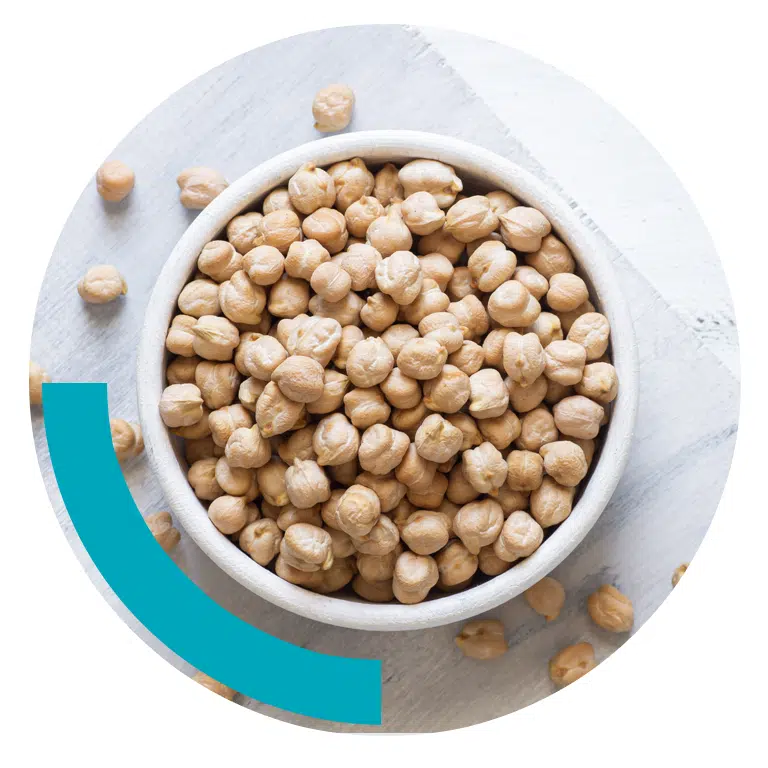
Chickpea allergy testing and treatment.

Where treatment leads 2 Freedom

Transforming food allergy care, one bite at a time

For many people, chickpeas are a healthy food used in recipes and snacks. However, for others, these legumes are a common cause of food allergies. At Safe2Bite | Texas Food Allergy Center, we provide testing and treatment options for chickpea allergies. Under the leadership of board-certified allergist Dr. Mireku, our food allergy treatment centers welcome adults and children of all ages for expert care. From a food allergy diagnosis to ongoing treatment planning, we help families manage chickpea allergies and prevent serious allergic reactions.

Safe2Bite has several locations across DFW and the surrounding North Texas region. Visit one of our food allergy treatment centers in McKinney, Prosper, Southlake or Frisco for the patient-centered food allergy care and treatment you deserve.

What Causes a Chickpea Allergy?

While chickpea allergies are less common than many other food allergies, for those affected the reaction to chickpeas can be severe. Both adults and children can experience an allergic reaction to chickpeas, sometimes the first time they eat them, and even after having eaten them for years with no problem.

Chickpea allergies are caused by an immune system reaction to proteins found in chickpeas. For an allergic person, exposure to these proteins triggers the release of chemicals like histamine, which leads to a range of uncomfortable symptoms. Unfortunately, reactions can be unpredictable, so even when your symptoms are mild, there’s no certainty they won’t become more severe after future exposure to this allergen.

Chickpeas themselves are part of the legume family. Legumes produce pods containing beans or seeds. Most people will be familiar with the existence of peanut allergies, but the legume family also includes soybeans, green peas and lentils. At Safe2Bite, after a consultation and testing, we can advise you about the foods that you should avoid.

Causes of chickpea allergies.
Row concave Shape Decorative svg added to bottom

Signs and Symptoms of a
Chickpea Allergy

In the most severe cases, a child or adult with a chickpea allergy can experience anaphylaxis. This severe reaction can include symptoms such as throat swelling, trouble breathing, and a rapid or weak pulse. When this happens, the person will require immediate medical attention. Concerning less severe reactions, here are some signs to look for.

Mouth or throat tingling.

Hives, rash or itchy skin.

Swelling of lips or face.

Nausea, vomiting or diarrhea.

Tightness in the chest.

Coughing or shortness of breath.

Dizziness or lightheadedness.

Which Foods Contain Chickpeas?

Chickpeas are found in more types of cuisine than many people realize. While they have long been a common ingredient in Mediterranean, Middle Eastern and Indian cooking, you can increasingly find them in various healthy foods as a good source of plant-based protein and fiber. Some of the most popular foods containing chickpeas include hummus and falafel, as well as various salads, soups, stews and curries.

Families must also be aware of the less obvious foods that might use chickpeas or chickpea flour as an ingredient. Gluten-free breads, crackers, chips, pasta and pizza are some common examples of foods you could easily overlook. Chickpeas are also used to add protein and texture to foods, including many processed and packaged foods. Once a diagnosis has been made, we can provide guidance on the foods you may need to avoid to prevent accidental exposure.

Food Allergy Testing for Chickpeas

Symptoms can point to a possible chickpea allergy, yet symptoms alone cannot confirm it. Using food allergy testing is the only way to know for sure, and at Safe2Bite, we work with patients to determine the exact cause of their symptoms.

Our method combines a review of symptoms and medical history with the results of proven testing procedures, including skin prick testing, blood testing and possibly an oral food challenge. We use this strategy to accurately diagnose a chickpea allergy. We also provide testing and treatment for peanut allergies and other common food allergies.

Skin Prick Test

We place small amounts of chickpea allergen on the forearm or back, gently prick the area to allow the allergen to get beneath the skin, and monitor for a mild reaction. Results are usually available within 15–20 minutes.

Blood IgE Test

A blood sample is analyzed to assess the level of chickpea-specific IgE antibodies. This test is often used when a patient cannot tolerate direct exposure to the allergen.

Oral Food Challenge

In a safe setting, a patient eats gradually increasing amounts of chickpea to see how their immune system reacts. The patient is closely observed for signs of an allergic reaction.

Row concave Shape Decorative svg added to bottom

Innovative Treatment for Chickpea Allergies

Avoiding chickpeas and foods containing chickpea ingredients is an important part of preventing allergic reactions. However, Safe2Bite goes further, with a range of trusted immunotherapy treatments that may help eligible patients reduce sensitivity to chickpeas and manage an allergy with more confidence. For children and adults who commit to the treatment, the results can lead to fewer dietary restrictions and a better quality of life.

Oral Immunotherapy (OIT)

OIT can increase the amount of chickpea a patient can tolerate before a reaction occurs. Treatment involves consuming very small doses of the allergen that are gradually increased over time. OIT requires scheduled appointments under the supervision of our board-certified allergist.

Food Allergy Drops (SLIT)

Food allergy drops help the immune system become less sensitive to chickpeas. The drops are placed under the tongue each day, building immune system tolerance to the allergen. Both adults and children could be suitable candidates for food SLIT (also called sublingual immunotherapy).

Tips for Families Managing a Chickpea Allergy

Dr. Mireku is the mother of two children with food allergies and understands the challenges that families face. Along with our advanced immunotherapy treatments, Safe2Bite also provides holistic care to make everything from preventing allergen contact to following a nutritious diet much easier.

Avoiding accidental chickpea consumption is an important part of the plan. Managing this demands careful reading of food labels to look for mentions of chickpeas, chickpea flour, gram flour and besan. You should also inform your child’s school about the allergy, and make sure they have a food allergy plan in place.

After a chickpea allergy diagnosis at one of our DFW centers, you may be prescribed an epinephrine auto-injector. When a person experiences anaphylaxis after eating chickpeas, administering this emergency medication is vital. With the right treatment and precautions, patients can enjoy healthy food and regular activities safely.

Tips for managing a chickpea allergy.
Row concave Shape Decorative svg added to top

Experienced Chickpea Allergy Specialists in DFW

Dr. Mireku has provided compassionate food allergy care to North Texas families for over 15 years. Visitors to our DFW food allergy treatment centers can expect patient-centered allergy management and treatments for chickpea allergies.

Evidence-Based Treatments

As one of a limited number of food allergy specialists in the area, our innovative treatments are guided by the latest in allergy research.

Accessible Allergy Care

You can find us in McKinney, Prosper, Frisco and Southlake, bringing expert chickpea allergy care to families across Dallas–Fort Worth.

Family-Friendly Allergists

At Safe2Bite you’ll find a friendly environment where children, parents and people of all ages can receive the allergy care they need.

Row concave Shape Decorative svg added to bottom

Answers to Common Chickpea Allergy Questions

Visit Our Chickpea Allergy Specialists in
Dallas–Fort Worth

If you or your child have experienced an allergic reaction after eating chickpeas, don’t hesitate to contact Safe2Bite. We support families with accurate food allergy testing and long-term treatment solutions. We’re ready to welcome you to our food allergy treatment centers in McKinney, Prosper, Frisco and Southlake. Call (469) 916-5504 or request an appointment today.

Row concave Shape Decorative svg added to bottom